
Spice, Seed and Grain Processing Plants and Machinery
We supply complete lines for cleaning, drying, grinding, blending and packing spices, seeds and grains. The aim is to protect the colour, aroma and shelf life that buyers, including export buyers, look for.
Who this is for

Spice, seed and grain growers and cooperatives adding processing

Seed processors and cleaning units

Grain millers and pulse processors

Packers of ground and blended spices

Exporters who need consistent quality

Food companies making spice mixes and masalas
What we supply

Cleaning, destoning and sorting equipment

Dryers

Grinders and pulverisers with cooling, for spices

Sieving and grading machines

Blenders and mixers for recipes and masalas

Steam sterilisation

Weighing, filling and pouch packing machines
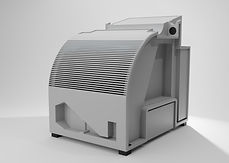
Dust collection and food-grade contact parts

Seed cleaning, grading and treatment equipment

Milling and dehulling equipment for grains and pulses

Installation, commissioning and operator training
How a spice plant works
1. Receiving and cleaning
Stones, dust and foreign matter are removed.
4. Grinding or milling, with cooling
Cooling during grinding helps keep oils, colour and aroma in spices, and protects nutrients in flour.
7. Weighing and packing
Product is weighed and sealed in pouches, jars, sacks or bulk bags.
2. Drying
Moisture is reduced to a safe level for storage and grinding.
5. Sieving and blending
Powder or flour is graded and blended to a recipe.
3. Grading or dehulling
Seeds and grains are sized, graded and, where needed, dehulled.
6. Sterilising (optional)
Steam treatment lowers the microbial load.
Your project with us
1. Consult
We ask about your product, volume, budget, site and market.
4. Install and commission
Our team sets up the plant and runs it until it meets the agreed specification.
2. Design and quote
We prepare a process design, layout, equipment list and a clear quotation.
5. Train and support
Your operators are trained. Spares and service stay available afterwards.
3. Supply
Equipment is built or sourced, inspected and shipped. We handle export documents.
What we will ask you for
-
Which spices, seeds or grains you process
-
Moisture level of the raw material
-
Target output per hour
-
Packing formats and sizes
-
Export markets and their standards
Frequently asked questions
Which spices, seeds or grains can the line handle?
Depends on your needs. All kinds of spices, like chilli, turmeric, coriander, cumin, pepper, sesame, mustard, wheat, rice, pulses, oil seeds and others. Tell us your list and we will confirm.
Can it make blends?
Yes. A blender and recipe dosing can be added to the grinding line.
How do you avoid heat damage during grinding and milling?
We use cooling and the right grinder for each spice, so the product stays cool.
Do you provide sterilisation?
Steam sterilisation is available as an option.
What pack sizes can you fill?
Sachets to bulk bags. We match the packing machine to your sizes.
How much space and power do I need?
It depends on output. We give a layout and power list in the proposal.