
Dairy and Fruit Processing Plants for Small and Mid-Sized Producers
We supply compact plants for milk, yoghurt, juice and fruit pulp. Each line is planned around hygiene, temperature control and easy cleaning, so products stay safe and consistent from the first batch.
Who this is for

Dairy cooperatives and farm groups adding processing

Small dairies bottling milk or making yoghurt

Juice and pulp producers

Fruit growers who want to sell processed products, not only fresh fruit
What we supply

Milk reception, filtering and chilling tanks

Plate or tubular pasteurisers
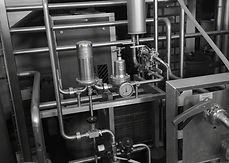
Homogenisers

Fermentation and incubation tanks for yoghurt

Fruit washing, sorting, pulping and extraction

Heat treatment and hot filling

Filling and sealing machines

Clean-in-place (CIP) systems

Boilers, chillers and utilities

Installation, commissioning and operator training
How a dairy and fruit plant works
1. Reception and chilling
Milk is received, tested and cooled. Fruit is received, sorted and washed.
4. Product-specific step
Yoghurt is cultured and set. Juices are blended and adjusted.
2. Preparation
Milk is filtered and standardised. Fruit is pulped and blended.
5. Cooling and filling
Product is cooled and filled into bottles, cups or pouches.
3. Heat treatment
Pasteurising or hot filling makes the product safe.
6. Storage and dispatch
Chilled or ambient storage, then delivery.
Your project with us
1. Consult
We ask about your product, volume, budget, site and market.
4. Install and commission
Our team sets up the plant and runs it until it meets the agreed specification.
2. Design and quote
We prepare a process design, layout, equipment list and a clear quotation.
5. Train and support
Your operators are trained. Spares and service stay available afterwards.
3. Supply
Equipment is built or sourced, inspected and shipped. We handle export documents.
What we will ask you for
-
Products and daily volume
-
Milk or fruit supply, including seasons
-
Available utilities: power, water, steam
-
Packaging formats
-
Building space and drainage
Frequently asked questions
What products can the plant make?
Milk, yoghurt, juice, fruit pulp and others. Tell us your range.
What is the smallest plant you supply?
1000 litres per day. We begin with your volume and plan for growth.
Can we process seasonal fruit on the same line?
Yes. Different fruits can share a line, and we plan the cleaning between them.
How long will the product keep?
Shelf life depends on the product, the treatment and the packaging. We advise on options for your market.
What utilities do we need?
Power, clean water, steam or hot water, and cooling. We give figures in the proposal.
Do you train our team?
Yes. Training covers operation, cleaning and basic maintenance.